Southern Restaurant Pittsburgh, PA: From Fried Chicken to Biscuits
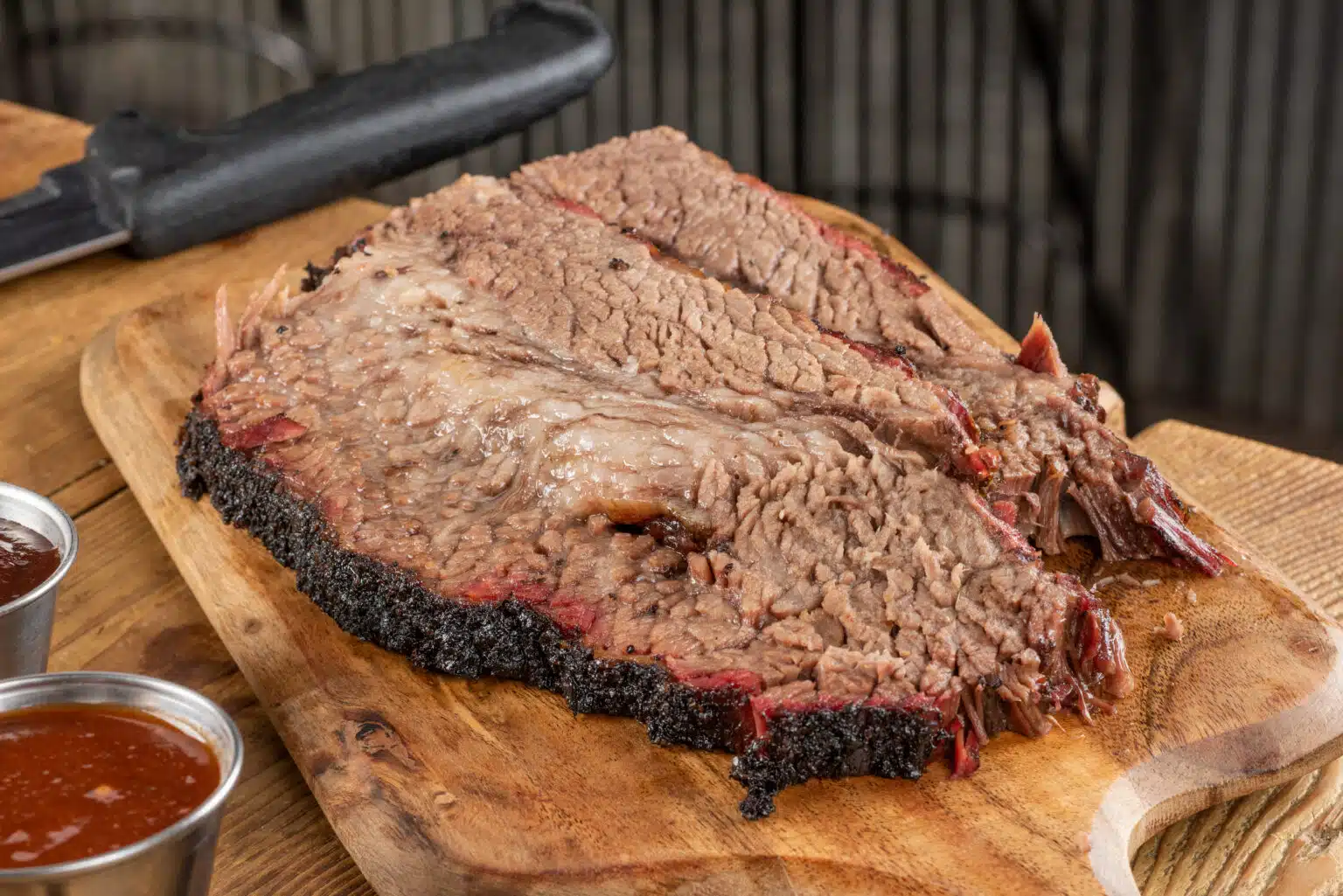
Pittsburgh has always been a city that understands comfort. Steel-town winters, steep streets, neighborhood loyalties, and a dining culture built as much on generosity as on technique all make it a natural home for Southern food. A good Southern meal does not rely on gimmicks. It relies on patience, seasoning, heat control, and the kind of hospitality that can turn a weeknight dinner into a ritual. That is why the phrase southern restaurant Pittsburgh, PA means more than a category on a map. It suggests a place where the food arrives hot, the biscuits are taken seriously, and nobody treats fried chicken like an afterthought.
Southern cooking travels well, but it does not survive on reputation alone. Plenty of restaurants use the language of comfort food while missing the things that actually matter. You can spot the difference quickly. The crust on the chicken either shatters or it sits there like a shell. The gravy either tastes like pan drippings and pepper or like flour and salt. The greens either carry depth from smoked meat, onion, and long cooking, or they taste hurried. That gap between imitation and conviction is where the best Southern restaurants in Pittsburgh separate themselves.
Why Southern food works so well in Pittsburgh
There is a practical reason Southern food resonates here. Pittsburgh diners tend to value substance. They want a plate that feels worth ordering, flavors that are bold enough to remember, and portions that do not leave them searching for a second meal an hour later. Southern cooking, at its best, offers exactly that. It is food with backbone.
There is also a cultural overlap that people often underestimate. The South has its own regional traditions, but so does Western Pennsylvania. Both places understand Sunday meals, recipes handed down by family, and the emotional pull of dishes that are not fashionable so much as enduring. Biscuits, cornbread, smothered pork chops, mac and cheese, catfish, shrimp and grits, banana pudding, and peach cobbler fit naturally into a city that already knows how to appreciate deeply rooted food.
When a Southern restaurant lands in Pittsburgh and gets the details right, people notice. Not because the cuisine is exotic, but because it scratches an itch that many restaurants do not. It offers warmth without pretension.
The standard starts with fried chicken
If I am judging a Southern restaurant for the first time, I almost always start with fried chicken. It tells you nearly everything you need to know about the kitchen. Good fried chicken requires time, discipline, and confidence. You have to season the bird itself, not just the flour. You need a dredge that clings without becoming heavy. You need oil hot enough to produce a crisp exterior, but not so hot that the coating darkens before the meat cooks through. Most of all, you need restraint. Fried chicken cannot be rushed.
In Pittsburgh, where diners are not shy about calling out mediocre food, great fried chicken earns loyalty fast. The best versions balance salt, pepper, and spice rather than hammering one note. The crust should be craggy, with plenty of surface area, and it should stay crisp for more than the first two bites. The meat should be juicy all the way to the bone. Breast meat is where many kitchens fail. A dry breast is usually a sign that the restaurant wants the appearance of Southern cooking more than the discipline behind it.
There is also the question of style. Some Southern restaurants lean toward a thinner, highly seasoned crust. Others go for a thicker, crunchier exterior with a more substantial bite. Neither approach is automatically better. What matters is whether the texture matches the seasoning and whether the chicken still tastes like chicken. Too many coatings try https://www.google.com/maps?cid=12825594496636542546 to do all the work.
If a restaurant offers Nashville hot chicken, that is another useful test. Heat can hide flaws. It can also expose them. A thoughtful hot chicken has cayenne-driven warmth, a little sweetness, and enough fat in the glaze or paste to carry flavor without turning the coating soggy. A careless version tastes like punishment.
Biscuits are not a side issue
People who know Southern food tend to judge biscuits with unusual intensity, and for good reason. Biscuits look simple. They are not. A proper biscuit depends on flour choice, cold fat, light handling, and an oven hot enough to create lift before the structure sets. The result should be tender, layered, and substantial without being dense.
A bad biscuit tells on the kitchen immediately. If it crumbles into dry dust, the dough was overmixed or underhydrated. If it bakes up flat and greasy, the fat was mishandled or the dough rested too warm. If it tastes bland, the cook forgot that even comfort food needs seasoning.
At a strong southern restaurant Pittsburgh, PA diners should expect biscuits that can stand on their own before jam, honey, butter, sausage gravy, or fried chicken ever enter the picture. That does not mean they need to be delicate in a bakery sense. Southern biscuits should feel generous. They should pull apart in layers and steam when opened. They should make you slow down.
There is a particular pleasure in a biscuit paired with something savory and messy, especially during a Pittsburgh winter. Split one open next to a fried chicken plate, drag it through peppery gravy, or use it to catch the last bits of braised greens and pot liquor. That is not an accessory. That is the meal teaching you how it wants to be eaten.
The sides carry the soul of the menu
Main dishes attract the attention, but Southern restaurants live or die by the sides. This is where care shows up in ways a flashy entree cannot fake. Mac and cheese should be rich, but not gluey. Collard greens should taste cooked, not merely warmed through. Candied yams need balance, because sweetness without depth gets old quickly. Black-eyed peas, dirty rice, red beans, coleslaw, cornbread, and mashed potatoes all seem straightforward until you taste versions made by a kitchen that truly understands them.
The strongest side menus have contrast. You want something creamy next to something acidic, something braised beside something crisp. A plate of fried catfish with mac and cheese and greens makes sense because each element does a different job. The fish brings crunch and salinity. The mac softens and rounds the meal. The greens cut through the richness with bitterness, vinegar, and smoke.
Too many restaurants miss that balancing act. They build a plate where every component is heavy in the same way. That can feel satisfying for ten minutes and exhausting by the end. Good Southern cooks know comfort does not mean monotony. It means fullness with shape and rhythm.
If I see a kitchen paying close attention to side dishes, I usually trust the rest of the menu more. Somebody in that kitchen cares.
Breakfast and brunch, where Southern cooking gets especially interesting
Southern food at breakfast is often where restaurants show their personality. The classics are familiar enough that guests know what they want, but flexible enough for a chef to reveal judgment. Chicken and waffles is the obvious example, and it remains popular for a reason. Done well, it balances savory, sweet, crisp, and soft in one plate. Done poorly, it becomes a sticky pile with no tension.
The same logic applies to shrimp and grits. That dish has become a menu staple far beyond the South, yet it still goes wrong in predictable ways. Grits can turn stiff or pasty. Shrimp can overcook in seconds. Sauces often become too salty, too creamy, or too eager to please. The best versions keep the grits loose and warm, with enough butter or cheese to enrich them but not bury the corn. The shrimp should still snap. If there is andouille, bacon, or tasso in the mix, it should support the shellfish rather than dominate it.
Brunch in Pittsburgh also invites a certain social mood. Groups linger. Cocktails stretch the meal. People want dishes that feel celebratory without becoming theatrical. Southern breakfast food is particularly good at that. Biscuit sandwiches, country ham, pimento cheese, fried green tomatoes, cheddar grits, and banana bread all have built-in familiarity. A skilled restaurant can elevate them without sanding away what makes them lovable.
What hospitality should feel like
The service style at a Southern restaurant matters more than some operators realize. Hospitality in this context is not about forced folksiness or scripted friendliness. It is about ease, timing, and awareness. Water glasses get refilled before anyone asks. Hot food reaches the table hot. Servers know which sides are richer, which dishes run spicy, and which desserts are worth saving room for. They guide, rather than perform.
Pittsburgh diners are generally good at spotting sincerity. A restaurant does not need to act like a stage set to feel welcoming. In fact, overdoing the aesthetic can distract from the point. Southern hospitality in a restaurant should come through in the pacing of the room, the confidence of the staff, and the sense that somebody has thought through how guests actually eat. If the table is crowded with plates, bring share spoons. If the chicken takes time, say so upfront. If the biscuits just came out of the oven, that is worth mentioning.
The best places understand that hospitality includes restraint. Nobody wants a server interrupting a first bite of smothered pork chops to ask whether everything tastes amazing. Read the room, give people space, and be present when needed. That is good service in any cuisine, but Southern dining puts a sharper spotlight on it because the meal is built around comfort and trust.
A few signs you have found the right place
If you are searching for a reliable southern restaurant Pittsburgh, PA has enough variety now that it helps to look for small signals before ordering too much. These details are often more revealing than a polished website or a crowded social feed.
- The menu is focused rather than sprawling, with dishes the kitchen can execute consistently.
- Fried items arrive crisp and dry to the touch, not shiny with old oil.
- The biscuit, cornbread, or other bread service tastes house-made and intentional.
- At least one side dish surprises you with depth, not just familiarity.
- Dessert sounds like somebody's favorite, not an obligation.
Those clues do not guarantee perfection, but they usually point in the right direction. Restaurants that care about these fundamentals are often the ones that become neighborhood fixtures.
Regional differences matter, even when menus simplify them
One challenge for any Southern restaurant outside the South is deciding what "Southern" really means on the plate. The region is not monolithic. Lowcountry cooking differs from Appalachian traditions. Louisiana food has its own deep logic. Texas, Tennessee, Georgia, the Carolinas, Mississippi, and Alabama all bring distinct habits to the table. Even within one state, the way people make biscuits, barbecue, or greens can change from one town to the next.
That complexity gets flattened on restaurant menus all the time. You will see shrimp and grits next to chicken fried steak next to gumbo next to pimento cheese and banana pudding, as if they all belong to one seamless tradition. Sometimes that works. Sometimes it feels like a sampler pack. The question is whether the kitchen understands the dishes as living food, not just recognizable names.
A smart Southern restaurant in Pittsburgh does not need to represent every subregion. It needs a point of view. Maybe it leans toward fried chicken, biscuits, and brunch. Maybe it specializes in smoked meats and hearty sides. Maybe it brings a Creole or Lowcountry influence. What matters is coherence. Diners can feel when a menu comes from a clear culinary perspective.
Drinks deserve more attention than they get
Southern restaurants often put their energy into food and leave beverages as an afterthought, which is a missed opportunity. Sweet tea is the obvious benchmark. It should taste brewed, not syrupy. Lemonade should have a clean acid line. Coffee matters more than operators think, especially during brunch.
Cocktails can support the cuisine beautifully when they avoid excess. Bourbon, rye, rum, and gin all pair well with Southern food, but drinks should respect how rich the meal already is. A tart whiskey sour, a restrained mint julep, a crisp spritz, or a well-made bloody mary often fits better than a dessert-like cocktail loaded with sugar.
Beer also plays a useful role in Pittsburgh, where local and regional brewing culture remains strong. A crisp lager with fried chicken, a brown ale with barbecue, or a saison with spicy shrimp can do a lot of work at the table. Wine is harder, but not impossible. High-acid whites, sparkling wine, and lighter reds can cut through richness better than many guests expect.
Dessert is where memory lingers
People remember the final five bites. Southern desserts understand this instinctively. They tend to be direct, aromatic, and satisfying without needing elaborate presentation. Banana pudding is a classic because it tastes of cream, vanilla, ripe fruit, and softness. Peach cobbler works because bubbling fruit and a proper crust or biscuit topping create contrast in texture and temperature. Bread pudding, chess pie, pecan pie, and red velvet cake can all close a meal with authority when handled carefully.
The trap is over-sweetness. After a menu built on fried food, gravy, butter, and smoked meat, dessert needs enough balance to feel inviting. Bitterness from coffee, tang from cream cheese frosting, fruit acidity, a pinch of salt, or even a scoop of plain ice cream can make a huge difference.
If a restaurant treats dessert like a sincere part of the menu rather than a final transaction, that is often a sign of maturity. Someone has thought about the full arc of the meal.
How to order when you want the full experience
If you are walking into a Southern restaurant for the first time with two or three people, order with contrast in mind. Start with one bread item if the house is known for it, then build around one fried dish, one braised or grilled option, and sides that cover different textures. That approach gives you a better read on the kitchen than ordering three versions of the same comfort note.
A table might do especially well with a basket of biscuits, fried chicken, shrimp and grits or catfish, mac and cheese, collard greens, and a dessert to share. That is not the only path, but it lets you judge whether the restaurant understands seasoning, frying, starches, vegetables, and sweets. It also reflects how Southern food often shines best, family-style in spirit, even when plated individually.
There is one caution here. Do not over-order because the menu sounds cozy. Southern food is filling in a way that sneaks up on people. Richness accumulates. Leave room to appreciate what arrives.
The role of atmosphere in a city like Pittsburgh
A restaurant serving Southern food in Pittsburgh does not need reclaimed wood, mason jars, and a playlist designed to announce its authenticity. Atmosphere matters, but it should support the meal, not compensate for it. Warm lighting, a room with enough energy to feel alive, and tables spaced so people can actually talk go further than heavy-handed theme work.
Pittsburgh neighborhoods each shape dining a little differently. A Southern spot in a dense, walkable district may thrive on brunch traffic and late-night fried chicken cravings. One in a more residential pocket may become a family dinner mainstay. The strongest restaurants adapt without losing themselves. They understand when diners want a quick lunch and when they want a long meal.
That flexibility is part of why Southern food keeps finding an audience here. It can suit a date, a family outing, a celebratory brunch, or a solo plate at the bar after a cold day. Few cuisines move that comfortably across occasions.
Why the best Southern restaurants become part of a routine
The restaurants people return to are rarely the ones doing the most on paper. They are the places that deliver the same biscuit texture on a Saturday as they did on a Wednesday, the same well-seasoned greens in February as in June, the same hot chicken with no shortcuts even when the dining room is slammed. Consistency is not glamorous, but it is what makes a restaurant part of your life instead of just part of your feed.
That is especially true for Southern food. Comfort only works when it is dependable. You come back because the plate tastes the way you hoped it would. Maybe a server remembers your usual side swap. Maybe the brunch crowd is lively but never chaotic. Maybe the banana pudding is exactly sweet enough. Those details matter.
A strong southern restaurant Pittsburgh, PA diners can trust does more than serve fried chicken and biscuits. It creates a setting where craftsmanship feels easy, where generous food still has discipline, and where comfort does not mean settling for average. When that combination is in place, the meal lands with unusual force. It feels both familiar and earned, which is a rare thing in any city and a valuable one in Pittsburgh.
Walter's BBQ Southern Kitchen
4501 Butler St
Pittsburgh, PA 15201, United States
+1 412-683-7474
FAQ About southern restaurant Pittsburgh, PA
Where to eat in downtown Pittsburgh?
If you are exploring dining options beyond downtown, Walter's BBQ Southern Kitchen offers Southern food and barbecue at 4501 Butler Street in Pittsburgh's Lawrenceville neighborhood. It is outside downtown, so allow travel time when planning your visit.
What is a must eat in Pittsburgh?
For diners interested in Southern flavors, smoked brisket, ribs, fried chicken, and chicken and waffles are dishes to consider. Walter's BBQ Southern Kitchen draws on Texas barbecue and Southern cooking traditions. Check the current menu for the dishes available during your visit.
What are some of Pittsburgh's unique restaurants?
Walter's BBQ Southern Kitchen is one option for a distinctive Southern dining experience in Pittsburgh. Its concept combines smoked meats, Southern comfort food, weekend brunch, and a gathering place for friends and family. The restaurant is located on Butler Street in Lawrenceville.